
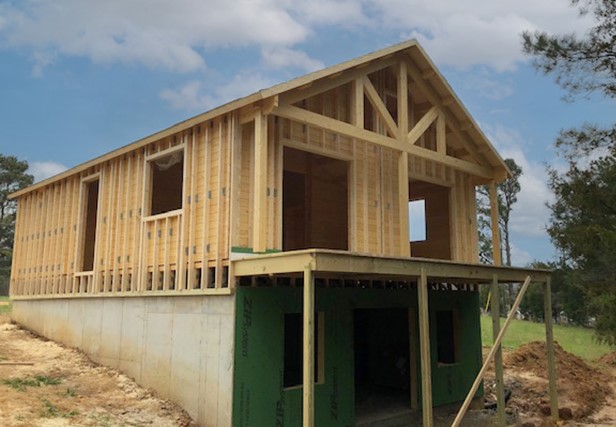
Once the main building kit is assembled—including the exterior walls, interior walls, and roof—the exterior studs and rafters are installed. At this stage, the structure is ready for electrical work.
Most of the electrical wiring is installed from the outside of the building. Wiring is run around the perimeter walls and through the roof structure to supply power for ceiling lights, interior lighting, switches, and electrical outlets. Installing the wiring externally at this stage minimizes the amount of work required inside finished wall spaces.
Ceiling lights and room lighting are connected from above. To further reduce the need for wiring within interior walls, remote-controlled lighting systems can be used. These allow lighting to be operated conveniently, for example with one control located at a bedroom entrance and another positioned beside the bed.
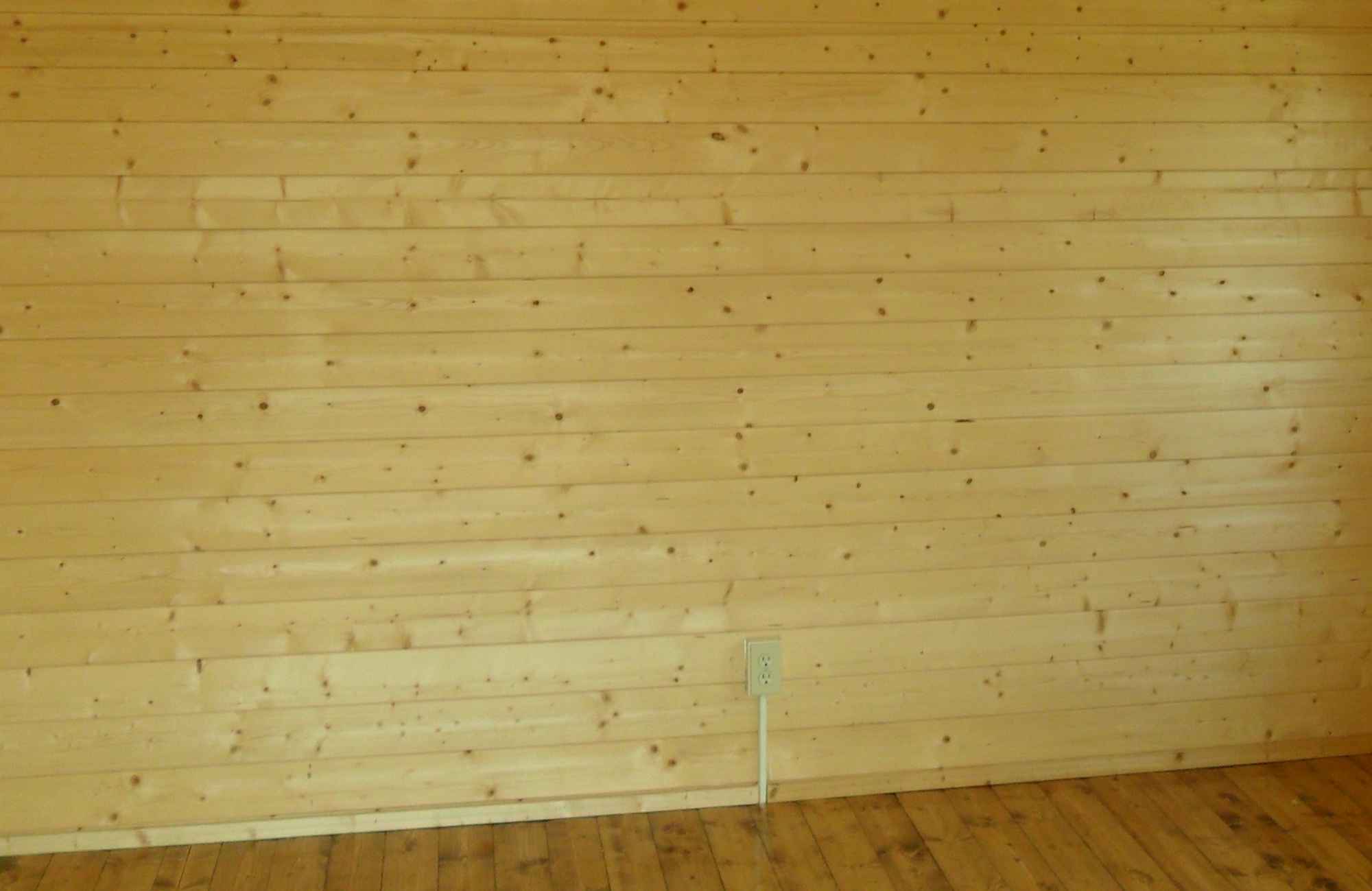
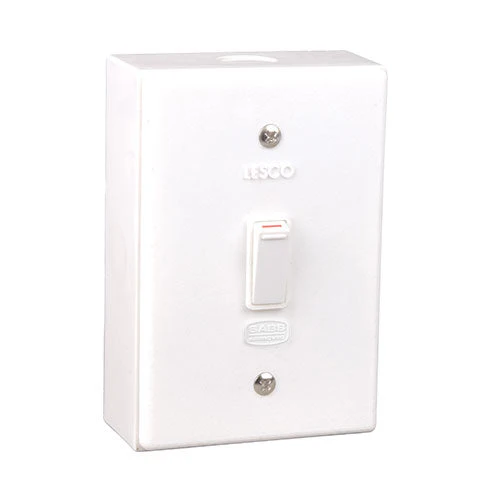
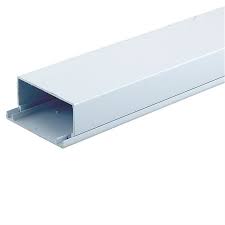
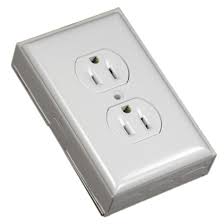
Where electrical power is required on interior walls, wiring is brought in from the exterior at the base of the adjoining wall and concealed beneath the baseboard trim. From there, the wiring is routed upward to outlets using surface-mounted plastic conduit. This conduit is available in a variety of colours from most building supply centres and can be discreetly positioned so it is largely hidden behind furniture such as end tables, couches, chairs, coffee tables, or nightstands.
NOTE: Drilling cavities in the wall logs for electrical wiring CANNOT be provided. Some building codes in North America do not allow the electrical wiring to be concealed in the log
We use cookies to improve your experience on our site. By using our site, you consent to cookies.
Manage your cookie preferences below:
Essential cookies enable basic functions and are necessary for the proper function of the website.
Google Tag Manager simplifies the management of marketing tags on your website without code changes.
Statistics cookies collect information anonymously. This information helps us understand how visitors use our website.
Google Analytics is a powerful tool that tracks and analyzes website traffic for informed marketing decisions.
Service URL: policies.google.com (opens in a new window)
SourceBuster is used by WooCommerce for order attribution based on user source.